
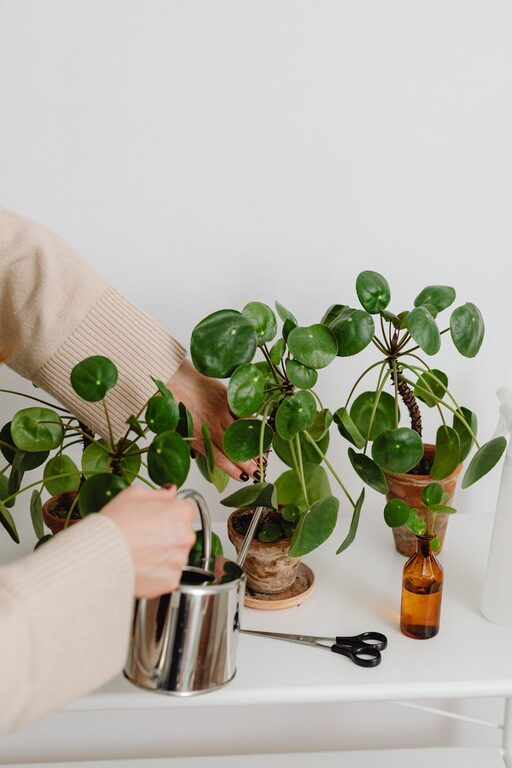
Bringing houseplants into your home can brighten up any space and add a touch of nature to your daily life. However, keeping these green companions healthy requires some knowledge and consistent care. Whether you are a seasoned plant lover or just starting your indoor garden, these tips will help ensure your houseplants thrive.
Understanding Your Plant’s Needs
Different houseplants have different requirements. The first step to keeping your plants healthy is understanding their specific needs. Pay attention to:
– Light: Some plants like bright, direct sunlight, while others prefer indirect or low light.
– Water: Overwatering is a common mistake. Each plant has its own watering schedule.
– Humidity: Tropical plants often need more humidity than succulents or cacti.
– Soil type: Well-draining soil suits most houseplants, but some may require special mixes.
Check the care label or research your specific plant species for tailored advice.
Choosing the Right Location
Placement matters. Here are some tips to find the perfect spot for your plants:
Light Exposure
– Bright light plants: Place near south or west-facing windows where they get several hours of sunlight.
– Low light plants: These can thrive in shaded corners or rooms with east or north-facing windows.
– Avoid harsh midday sun: Too much direct sunlight can scorch leaves.
Temperature and Drafts
– Keep plants away from cold drafts or heat sources like radiators and vents.
– Most houseplants prefer temperatures between 65°F and 75°F (18°C to 24°C).
Proper Watering Techniques
Watering is a critical aspect and often the trickiest part of plant care.
How Much Water?
– Let the top inch of soil dry out for most tropical plants before watering again.
– Succulents and cacti require less frequent watering.
– Use your finger or a moisture meter to check soil dryness.
How to Water
– Water thoroughly until you see it draining from the pot’s bottom holes.
– Avoid letting plants sit in standing water to prevent root rot.
– Use room temperature water to avoid shocking the roots.
Feeding Your Plants
Plants need nutrients to grow, even indoors.
– Use a balanced, water-soluble fertilizer every 4–6 weeks during spring and summer.
– Cut back on fertilizing in fall and winter when plants grow more slowly.
– Follow the instructions on the fertilizer package carefully to avoid overfeeding.
Maintaining Good Humidity
Indoor air can often be dry, especially in winter.
– Increase humidity by misting plants with water regularly.
– Use a humidifier or place plants on a tray with water and pebbles.
– Group plants together to create a natural humid micro-environment.
Pruning and Cleaning
Healthy plants benefit from regular care.
– Remove yellow or brown leaves promptly to prevent disease.
– Prune leggy or overgrown growth to encourage bushier development.
– Wipe leaves with a damp cloth to remove dust and help with photosynthesis.
– Check for pests like spider mites or aphids and treat promptly if found.
Repotting for Growth
Plants outgrow their pots over time.
– Repot houseplants every 1–2 years or when roots grow out of drainage holes.
– Choose a pot that is 1–2 inches larger in diameter than the current one.
– Refresh the soil to provide new nutrients and improve drainage.
Troubleshooting Common Issues
Despite your best efforts, problems may arise.
– Yellowing leaves: May indicate overwatering or poor drainage.
– Wilting: Could be underwatering or root damage.
– Brown leaf tips: Often caused by low humidity or salt buildup.
– Spots on leaves: Might be a sign of pests or fungal infections.
Always identify the cause before applying treatments.
Final Thoughts
Maintaining healthy houseplants is a rewarding hobby that enhances your living space and mood. By paying attention to light, water, humidity, and general care, you’ll help your plants thrive and grow beautifully. With patience and consistency, your indoor garden will flourish year-round.
Happy planting!