
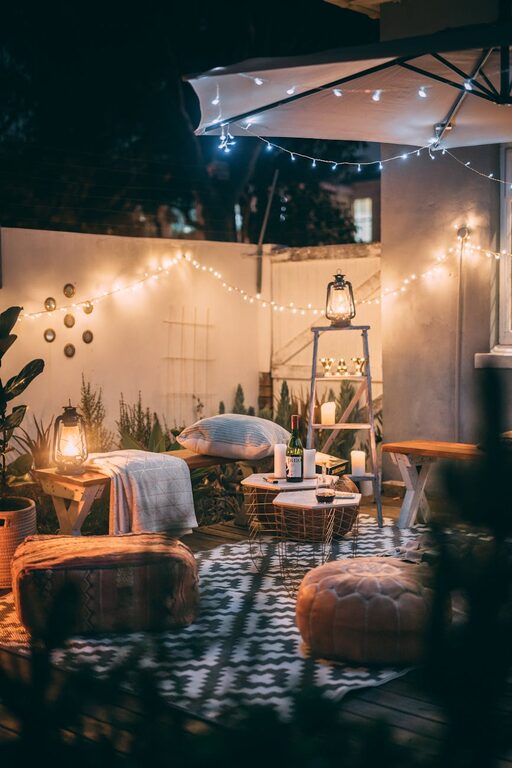
Creating a comfortable and inviting atmosphere in your home starts with the right lighting. Proper home lighting not only brightens up your space but also influences your mood, productivity, and even the way you perceive your rooms. Choosing comfortable lighting requires a balance between functionality and style. In this post, we’ll guide you through practical tips for selecting lighting that feels just right for your home.
Understanding the Basics of Comfortable Lighting
Before diving into specific tips, it’s important to understand some lighting fundamentals:
– Brightness: Measured in lumens, brightness determines how much light a source emits. Too bright or too dim can cause discomfort.
– Color Temperature: Measured in Kelvins (K), this affects the color of the light. Warm light (2700K-3000K) feels cozy, while cool light (4000K-5000K) feels more energizing and crisp.
– Lighting Types: Ambient (general), task (focused), and accent (decorative) lighting all serve different purposes.
With these in mind, let’s explore how to choose lights for comfort in your home.
1. Choose Warm Light for Relaxation Areas
Warm light, which emits a soft yellowish glow, creates a soothing environment ideal for relaxation. Use bulbs with a color temperature around 2700K to 3000K in spaces like:
– Living rooms
– Bedrooms
– Reading nooks
Warm lighting helps reduce eye strain and creates a calm ambiance, making it perfect for winding down after a long day.
2. Use Bright, Cool Lighting for Workspaces
In contrast, work areas benefit from brighter, cooler light, which enhances focus and alertness. Choose bulbs within 4000K to 5000K for areas such as:
– Home offices
– Kitchens
– Craft or hobby rooms
This type of lighting mimics daylight and helps improve concentration during tasks.
3. Layer Your Lighting
A single light source rarely meets all your needs. Instead, use multiple layers of lighting to create flexibility and comfort:
– Ambient lighting: Provides overall illumination with ceiling fixtures or recessed lights.
– Task lighting: Adds focused light for activities like reading or cooking, such as desk lamps or under-cabinet lights.
– Accent lighting: Highlights artwork or architectural features with spotlights, wall sconces, or table lamps.
Layered lighting allows you to adjust the atmosphere depending on the time of day and activity.
4. Consider Dimmable Options
Dimmers offer the ability to control light intensity, which is key for comfort. Being able to lower brightness reduces eye strain and helps set the mood. Look for dimmable bulbs and compatible switches to:
– Enjoy bright light during active hours
– Soften lights for evening relaxation or entertainment
Smart dimmers even allow you to control lights from your phone or set schedules.
5. Match Lighting Fixtures to Your Room Size and Style
Choosing the right fixture size helps maintain balance and ensures adequate lighting without overpowering the room. For example:
– Small rooms: Opt for flush mount or semi-flush mount ceiling lights to avoid crowding the space.
– Large rooms: Consider chandeliers, pendant lights, or multiple fixtures for even coverage.
Also, select fixtures that complement your décor style — from modern minimalist to rustic farmhouse — for a cohesive look.
6. Pay Attention to Bulb Types
Different bulb technologies offer various benefits:
– LED bulbs: Energy-efficient, long-lasting, and available in a wide range of colors and brightness levels.
– Incandescent bulbs: Produce warm light but consume more energy and generate heat.
– CFL bulbs: More efficient than incandescent but contain small amounts of mercury and may take time to reach full brightness.
For comfortable home lighting, LEDs are often the most versatile and cost-effective choice.
7. Avoid Harsh Shadows and Glare
Comfortable lighting minimizes harsh shadows and glare to prevent eye discomfort. Tips include:
– Use lampshades or diffusers to soften light.
– Position task lighting correctly — for example, place reading lights on the side opposite your dominant hand to avoid casting shadows.
– Opt for bulbs with a high Color Rendering Index (CRI) of 80 or above to display colors naturally.
8. Use Natural Light to Your Advantage
Whenever possible, maximize natural light during the day. Natural light enhances comfort and mood:
– Use sheer curtains or blinds to diffuse sunlight without blocking it.
– Position mirrors strategically to reflect light deeper into rooms.
– Design window treatments to offer flexibility for different times of day.
Blending natural and artificial light creates a healthy and inviting environment.
9. Test Before You Commit
Lastly, if possible, test different lighting options before purchasing:
– Try out bulbs of different color temperatures.
– Use temporary lamps or plug-in fixtures to see how light affects your space.
– Consider how lighting looks during various times of the day.
This will help you avoid costly mistakes and find the lighting setup that truly fits your comfort needs.
—
Final Thoughts
Comfortable home lighting combines the right brightness, color temperature, layering, and fixture choices to create an atmosphere that suits your lifestyle. By considering these tips, you can design lighting that enhances your home’s functionality and warmth, making every room a more enjoyable place to be. Remember, lighting can transform a space—choose it with care and enjoy the difference it makes in your daily life!